
How Quitting Smoking Reverses facial Aging: Look younger & live longer
"When we talk about the desire to look younger and live longer, we often think of expensive creams or complex surgeries. However, recent longevity research in 2026 confirms that the most powerful anti-aging 'treatment' is actually behavioral. By choosing to quit smoking you aren't just adding years to your life; you are actively reversing cellular damage and restoring your skin’s natural vitality. In this guide, we explore the science-backed solutions to help you reclaim your youth from the inside out."
Ageing Healthy: If You Want to Look-Younger Live Longer: Quit Smoking
It is a proven way to Look Younger and Live Longer: --------------------->
A Crucial Health Message: You Must Prioritize Your Health
Quitting smoking, alcohol, and drug addictions immediately is essential for healthy aging. Take the first step today.
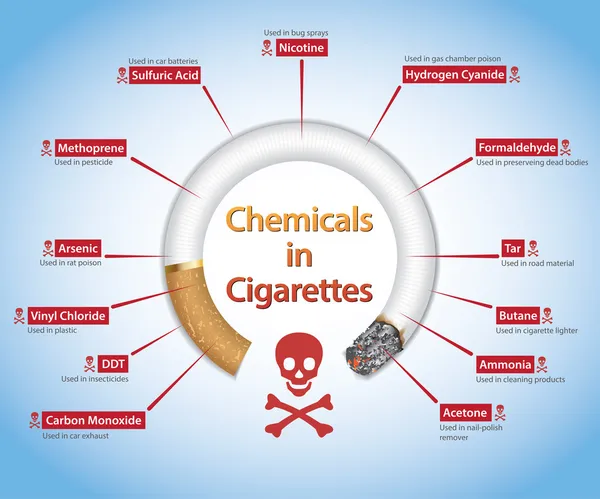
Check difference After and before you Quit smoking to Look Younger Live Longer Life
Understanding Nicotine Addiction and Withdrawal Symptoms: A Guide to Quitting Tobacco
Nicotine is one of the most addictive substances available, often compared in potency to heroin. Understanding the signs of nicotine addiction and withdrawal symptoms is the critical first step toward maintaining healthy aging and achieving a smoke-free life.
The Science Behind the Addiction
Nicotine rapidly triggers the release of dopamine—the brain’s “pleasure chemical”—within minutes of the first puff. This immediate reward reinforces continued use. Once hooked, many people continue using nicotine just to avoid the discomfort of withdrawal symptoms.
When you decide to stop smoking, these symptoms typically appear within one to two days, peak during the first week, and subside within two to four weeks.
Common Nicotine Withdrawal Symptoms
Withdrawal affects both your body and your mind. Common signs include:
- Irritability, frustration, or anger: These are the most frequently reported symptoms.
- Depressed mood: Feelings of sadness or anxiety are common.
- Difficulty concentrating: You might find it hard to focus on tasks.
- Restlessness and impatience: A general feeling of unease.
- Increased appetite and weight gain: A distinguishing feature of tobacco withdrawal.
- Sleep disturbances: Difficulty falling asleep (insomnia) or sleeping too much.
- Cravings: A strong urge to smoke is a cardinal feature of sudden abstinence.
Why Quitting Matters: Health Risks
Tobacco use is responsible for about one in five deaths annually in the United States. It damages virtually all body systems:
- Cardiovascular Disease: A major risk factor for heart attacks, strokes, and arterial disease.
- Lung Disease: Contributes to pneumonia, emphysema, and Chronic Obstructive Pulmonary Disease (COPD).
- Cancer Risks: A primary cause of lung, bladder, kidney, cervical, and gastrointestinal cancers.
- Reproductive Conditions: Impacts fertility in women, increases impotence risks in men, and increases poor pregnancy outcomes.
Furthermore, secondhand smoke poses serious risks to children (SIDS) and adults (heart disease, lung cancer). Learn more about the dangers of secondhand smoke here.
Effective Treatments for Quitting Tobacco
Quitting smoking for good requires a multi-faceted approach. Successful strategies combine counseling, support groups, behavioral therapy, and medication. Prioritizing cessation is key to healthy aging success.
Most people require multiple attempts to stop completely. The key is perseverance.
The Role of Support and Counseling
Counseling in a structured group or via a telephone quit line is essential. Support from others navigating the same journey is invaluable. Behavioral therapy helps individuals identify triggers and modify daily routines without relying on nicotine.
Medications and NRTs
Using FDA-approved medications significantly increases the chances of quitting success. These medications ease withdrawal symptoms, allowing you to focus on learning new coping mechanisms.
Nicotine Replacement Therapies (NRTs) deliver a controlled dose of nicotine without the harmful chemicals found in tobacco smoke.
- Patches: Provide a consistent, low level of nicotine throughout the day (Over the counter).
- Gum/Lozenges: Offer quick relief for intense cravings (Over the counter).
- Inhalers/Nasal Spray: Satisfy the physical “hand-to-mouth” habit (Prescription only).
If one medication doesn’t work, another can be tried. It is never too late to quit for the sake of your health. When you’re ready to start your journey, reach out to local Tobacco Treatment Centers for structured programs.
NOTE: Health medical specialists have reviewed this information. It is for educational purposes only and is not intended to replace the advice of your doctor or other health care provider. We encourage you to discuss any questions or concerns you may have with your provider.