
Smoking Cessation, How the Active Alkaloid impacts the Brain, Reclaiming your Health, Starting a Clean air Lifestyle:
The "How-To" Lead: "Check out our comprehensive guide on the most effective methods to Break the Ground."
Once you decide to live Tobacco free IMMEDIATLY you will feel a positive effect on your body to look younger and healthy
Why You Should Quit Smoking: Top Strategies for Success
Nicotine is a powerful alkaloid that acts similarly to heroin by triggering a massive release of dopamine. Consequently, other neurotransmitters in the brain respond within minutes of that first puff, which reinforces a cycle of continued tobacco use. Most smokers get hooked because of this “rush.” However, they often continue using nicotine primarily to avoid painful withdrawal symptoms.
Once you stop smoking, withdrawal side effects typically appear within 48 hours. These symptoms usually peak during the first week; subsequently, they begin to subside over the following month. Common signs of dependence include:
- Anxiety and irritability.
- Intense cravings and difficulty concentrating.
- Increased appetite or weight gain.
- Sleep disturbances and restlessne
Ditching the sticks, Giving up the Smokes

Phase Out Destructive Habits: -
It’s never too late to Be Putting Them out for Good. If you are serious to, Healthier life you shouldn’t delay. This habit has been recognized as a deadly addiction that ranges from causing lung disorders to heart disease, which can ruin your long-term health.
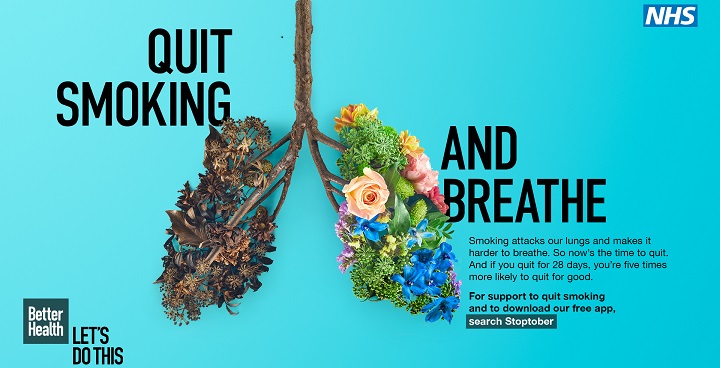
The Health Risks of Nicotine Dependence
Furthermore, it is never too late to put out cigarettes for good. This habit is a deadly addiction that contributes to roughly one in five deaths annually in the United States. Specifically, smoking can damage virtually every system in your body, leading to:
- Cardiovascular Issues: Such as abdominal aortic aneurysms and coronary artery disease.
- Lung Disease: Including pneumonia, emphysema, and COPD symptoms as detailed by the American Lung Association.
- Cancer: Risks include leukemia, bladder, cervical, and lung cancer.
- Reprproductive Risks: Such as reduced fertility and poor pregnancy outcomes.
How to Break the Dependency
Kicking the habit requires a multi-faceted approach. For example, using FDA-approved medications can double or even triple your success rate. In addition to medication, behavioral therapy helps identify triggers and modify daily routines.
If you are ready to quit, several resources are available:
- Professional Guidance: You can receive free coaching via the Smokefree.gov website.
- Immediate Support: Call 1-800-QUIT-NOW or text QUITNOW to 333888 for text-based encouragement.
- Medication Options: Consult your doctor about options that help alter brain chemistry to ease withdrawal. Moreover, over-the-counter Nicotine Replacement Therapies (NRTs) like patches and gum provide steady relief without harmful smoke chemicals.
Ultimately, living tobacco-free will help you look younger and live a more joyful life. While most people require multiple attempts, the most critical step is simply making the effort to start again.
My Personalized Quit Plan
My Personalized Quit Plan
1. Set Your Quit Date
- Target Date: ______________________
- Why This Date? Choose a day within the next two weeks that isn’t overly stressful.
- The Commitment: I commit to not having even a single puff after this date.
2. Identify Your “Why”
- Top 3 Motivators: (e.g., health, family, saving money)
- _______________________________________
- _______________________________________
- _______________________________________
3. Recognize Your Triggers & Plan Coping Strategies
- Common Triggers: Identify what makes you want to smoke (e.g., coffee, driving, stress).
- My Substitution Strategy: When a craving hits, I will:
- Drink a glass of water.
- Take 10 deep breaths.
- Eat something crunchy, like carrots or sugar-free gum.
4. Build Your Support System
- People to Notify: List family, friends, or coworkers who will support you.
- Professional Tools:
- Download the quitSTART App from Smokefree.gov to track progress.
- Call 1-800-QUIT-NOW to speak with a quit coach.
- Join the Freedom From Smoking® program by the American Lung Association.
5. Prepare Your Environment
- Clean Sweep: Throw away all cigarettes, lighters, and ashtrays in your home and car.
- Stock Up: Have healthy snacks and NRT (like patches or gum) ready if your doctor approves.
6. Reward Your Milestones
- 1 Day Smoke-Free: ___________________________
- 1 Week Smoke-Free: ___________________________
- 1 Month Smoke-Free: ___________________________
You can also use the interactive Quit Plan Builder on Smokefree.gov to generate a custom digital guide.